places occupied
European coins and medals (XVI-XXI century)
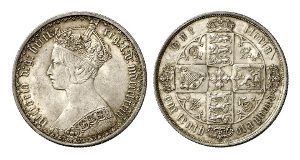 New time in numismatics begins in Europe around 1500 in the lands of the Habsburgs. In 1486, by order of the Archduke Sigismund (1439-1490), the Tyrolean guldengros was minted. It was the world’s first full-weighted silver coin, corresponding in value to the Rhine gold guilder. This coin became a model of European coins in the next 400 years.
The name of this successful coin comes from the name of the location of the silver mines of Joachimstal, which were owned by the von Schlick counts. Hence the name “thaler”. Continue reading
MONETA JOHN
 The Russian Empress Elizabeth did not think that a number of her decrees, by which she had eradicated a relatively common coin, would make this coin a numismatic rarity.
However, in order.
After the death of Anna Ioanovna in 1740, a three-month baby was raised to the Russian throne under the name of John III.
Since Ivan Antonovich couldn’t show any particular political activity at this age, Biron was appointed regent of the empire, and then, as a result of a palace plot, the mother of John Antonovich Anna Leopoldovna. Continue reading